Zippers in the Furniture Industry

Zippers in the Furniture Industry

In the furniture industry, zippers play a key role in the functionality and aesthetics of upholstery and covers, allowing for easy removal for cleaning or replacement.

Table of contents

The right zipper is crucial for a piece of furniture’s durability and functionality. Here are the most commonly used types:

Nylon Coil Zippers: These are widely used in sizes #5 (medium coil) or #3 (fine coil). They are strong, flexible, and withstand horizontal stress well, making them ideal for most upholstered furniture.

Molded Plastic Zippers: A great choice for outdoor cushions due to their resistance to UV rays and corrosion.

Concealed (Invisible) Zippers: Popular for pillows and duvet covers, as they provide a subtle, hidden closure that doesn’t disrupt the design lines.

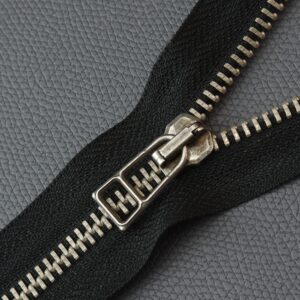
Metal Zippers: These can be used as a decorative element, giving furniture an industrial or classic feel.

For Heavier Applications: For very heavy cushions, sizes #7 or #8 may be required for greater strength.

Continuous Zipper Chain: For custom or very long applications, such as sofas or futon covers, it’s convenient to buy a continuous zipper chain by the meter, which allows for precise length adjustment.

Differences in Zipper Application: 5CC vs. 45ECH

Choosing the correct zipper size (gauge) is crucial, as it affects durability, aesthetics, and functionality. The size is determined by the width of the teeth in millimeters when the zipper is closed.
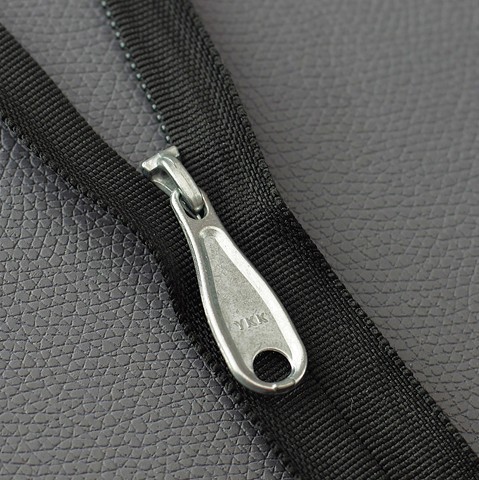
45ECH (4.5mm) Zipper

The teeth are approximately 4.5 mm wide, and the tape is also about 1.25 inches. It is considered slightly lighter and finer than a #5 zipper.

Typical applications:

  • Small interior decor projects, decorative pillows.

  • Duvet covers, lighter handbags.

  • Clothing made from more delicate fabrics.
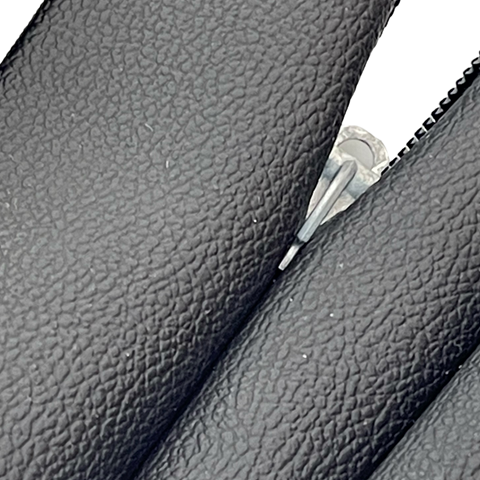
5CC (5mm) Zipper

The teeth are about 5 mm wide, and the tape is approximately 1.25 inches. This is a medium-weight zipper that offers high durability.

Typical applications:

  • Most pants and jeans, handbags, backpacks, and luggage.

  • Jackets, parkas, zip-up hoodies, and vests.

  • Heavier upholstery cushions.

Key differences in application:

The 5CC zipper is stiffer and its use depends on where it will be sewn. It works great on straight sections, but for applications requiring more flexibility, the 45ECH zipper is more suitable.

The most important thing for achieving the right result is a proper sewing process, which will be fully explained by our experts.

Need the perfect zippers? Contact us.

Choosing the right zipper is key to the success of any project—from clothing and bags to furniture upholstery.

At TAF, we understand the importance of quality, durability, and a precise fit. As an experienced zipper distributor, we offer a wide range of metal, plastic, and nylon zippers, available in various sizes and colors.

FAQ

What role do zippers play in the furniture industry?
In the furniture industry, zippers play a key role in the functionality and aesthetics of upholstery and covers. They allow for easy removal of covers for cleaning or replacement, which is essential for maintaining furniture hygiene and extending its lifespan. The right zipper is crucial for a piece of furniture's durability and functionality, as it needs to withstand repeated use while remaining discreet and integrated with the overall design. Quality zippers ensure that furniture covers can be easily accessed and maintained without compromising the aesthetic appeal or structural integrity of the upholstery.
What types of zippers are commonly used in furniture applications?
Several zipper types are used in furniture, each suited to specific applications. Nylon coil zippers in sizes #5 (medium coil) or #3 (fine coil) are widely used because they're strong, flexible, and withstand horizontal stress well, making them ideal for most upholstered furniture. Molded plastic zippers are excellent for outdoor cushions due to their UV resistance and corrosion protection. Concealed (invisible) zippers are popular for pillows and duvet covers, providing a subtle, hidden closure that doesn't disrupt design lines. Metal zippers can serve as decorative elements, giving furniture an industrial or classic feel. For very heavy cushions, larger sizes #7 or #8 may be required for greater strength.
What's the difference between 5CC and 45ECH zippers for furniture?
The key differences lie in size, flexibility, and application. The 5CC zipper has teeth approximately 5mm wide, making it a medium-weight zipper offering high durability. It's used in most pants, jeans, handbags, backpacks, jackets, and heavier upholstery cushions. However, it's stiffer and works best on straight sections. The 45ECH zipper has teeth approximately 4.5mm wide, making it slightly lighter and finer. It's more flexible and suitable for applications requiring adaptability, such as small interior decor projects, decorative pillows, duvet covers, and lighter handbags. The 5CC is ideal for straight applications requiring maximum strength, while the 45ECH excels in applications needing more flexibility and subtle closure.
When should I use continuous zipper chain for furniture projects?
Continuous zipper chain is particularly convenient for custom or very long applications in furniture, such as sofas or futon covers. Buying continuous zipper chain by the meter allows for precise length adjustment to match your exact furniture dimensions, eliminating the need to compromise with pre-made zipper lengths. This is especially valuable for large-scale upholstery projects, custom furniture pieces, or situations where you need multiple zippers of varying lengths. It provides flexibility in production while ensuring consistent quality across all pieces. The chain can be cut to any length needed and paired with appropriate sliders for a perfect fit.
How do I choose the right zipper size for my furniture project?
Choosing the correct zipper size (gauge) is crucial, as it affects durability, aesthetics, and functionality. The size is determined by the width of the teeth in millimeters when the zipper is closed. For decorative pillows and lighter applications, use #3 (fine coil) or 45ECH (4.5mm). For most standard upholstered furniture and medium-weight cushions, #5 (5mm) or 5CC zippers are ideal. For very heavy cushions or high-stress applications, consider #7 or #8 for greater strength. Beyond size, consider flexibility requirements - stiffer zippers like 5CC work best on straight sections, while more flexible options like 45ECH are better for curved applications. The most important factor is proper sewing technique, which our experts can fully explain to ensure optimal results.

© All rights reserved. Copying, processing, and distribution of materials without the author’s consent is prohibited.

Other posts