

Fire Retardant Zippers
Designed to withstand the harshest working conditions, ensuring safety and user comfort.
Explore our productsClothing that protects against fire-related risk factors must meet specific safety standards defined in norms. There are different levels of protection and various standards, but the goal is always the same: to protect the health and life of an employee exposed to a hazardous work environment.
The multitude of standards, depending on the industry and levels of protection, means that different products are recommended for specific applications. However, the quality requirements are very similar: the material must not continue to burn after the ignition source is removed (it must be self-extinguishing), there should be no afterglow, and no heat accumulation. For higher classes of protection, it also means maintaining the functionality of accessories like zippers, allowing them to be easily unzipped to remove the garment. We supply accessories for all types of fire hazards.
Fire Retardant Metal Zippers
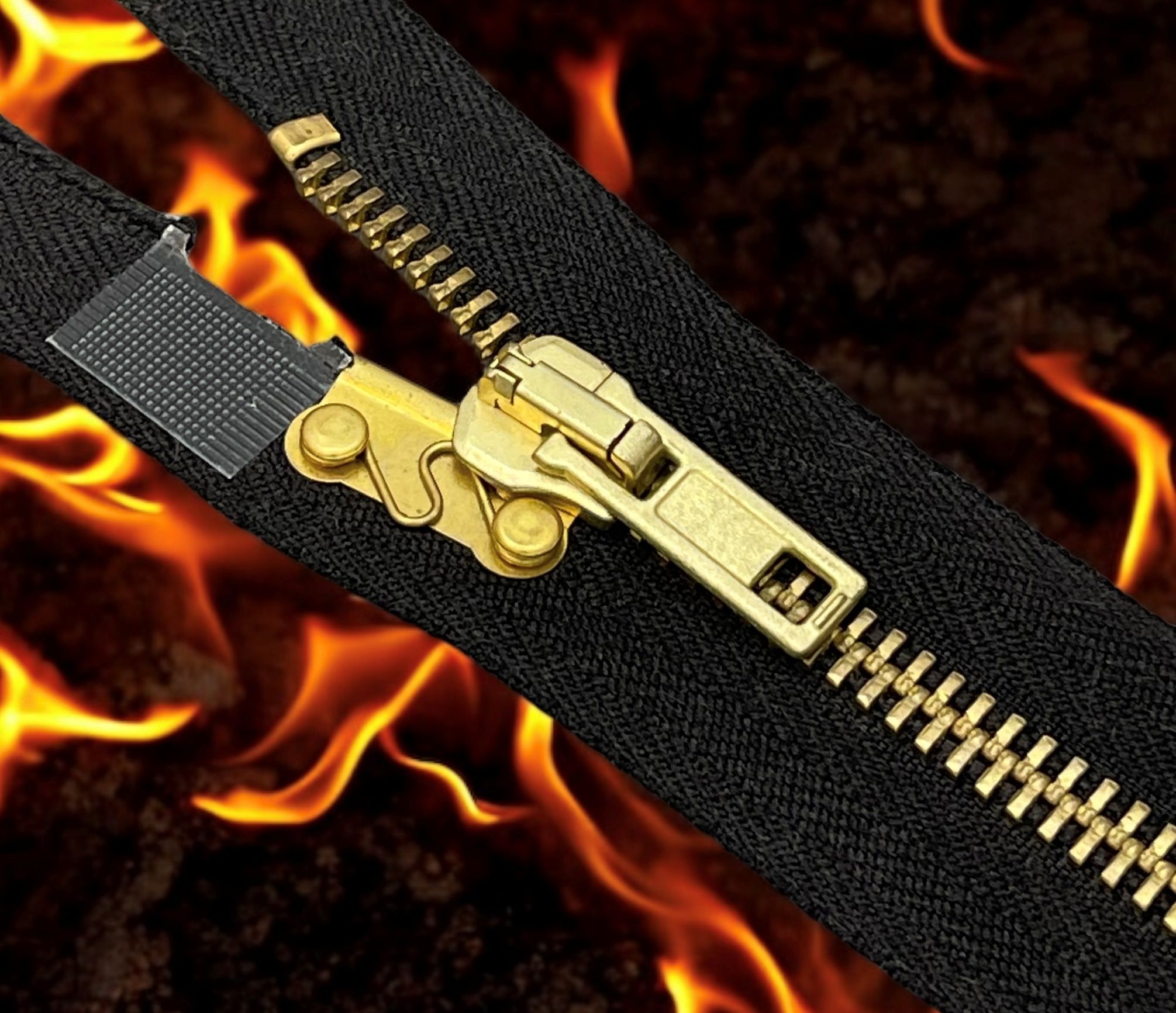
The most popular and trusted variant in this category are zippers whose construction is based on two key elements: metal, brass teeth and a tape made of meta-aramid fibers. Brass, thanks to its high melting point (approx. 900-940°C) and high mechanical strength, ensures the structural integrity of the zipper even in extreme conditions.
The meta-aramid tape, in turn, is a specialized synthetic fiber that does not melt, drip, or sustain combustion upon contact with a flame, but instead chars, creating a protective barrier. It is the synergy of these two components that determines the reliability of the entire zipper.
+Advantages
- ›Durable
- ›Strong
- ›Self-extinguishing
−Disadvantages
- ›Heavy
- ›Metal elements accumulate heat
Fire Retardant Plastic Zippers
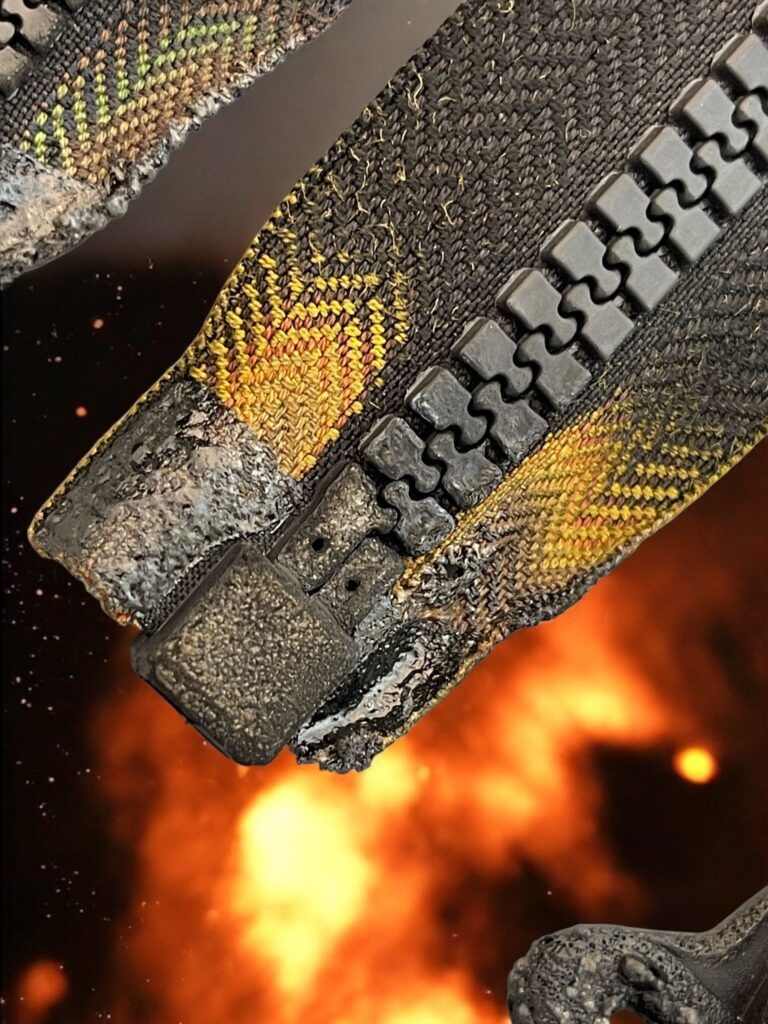
This is an innovative equivalent to metal zippers; the plastic elements are molded from a specially modified material, which makes it possible to achieve flame-retardant parameters at a level similar to that of metal zippers.
As with metal zippers, the key element remains the tape made from aramid fibers, which guarantees that the base of the zipper will not melt and will not sustain combustion. The combination of this proven tape with innovative, flame-retardant plastic elements creates a modern alternative to heavier metal zippers.
+Advantages
- ›Self-extinguishing
- ›Lightweight
- ›Easy to clean
- ›Don't accumulate heat
- ›Slider: metal or FR resin
−Disadvantages
- ›Lower transverse strength
D8 Fire Retardant Open-End Molded Zipper
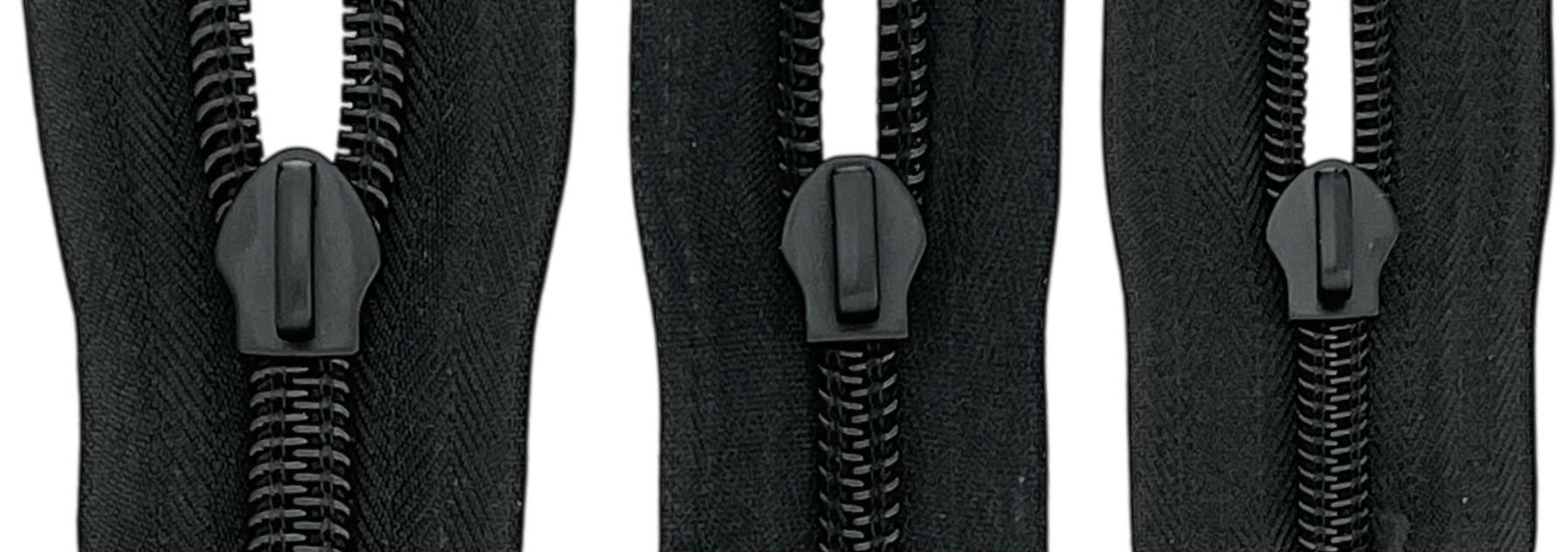
A size 8 molded zipper with teeth made of flame-retardant plastic on an aramid fiber tape. The zipper is equipped with a plastic flame-retardant slider and puller; the absence of metal parts reduces the risk associated with metal heating up and related burns. The zipper is suitable for use in clothing for electricians.



FB40FRGR
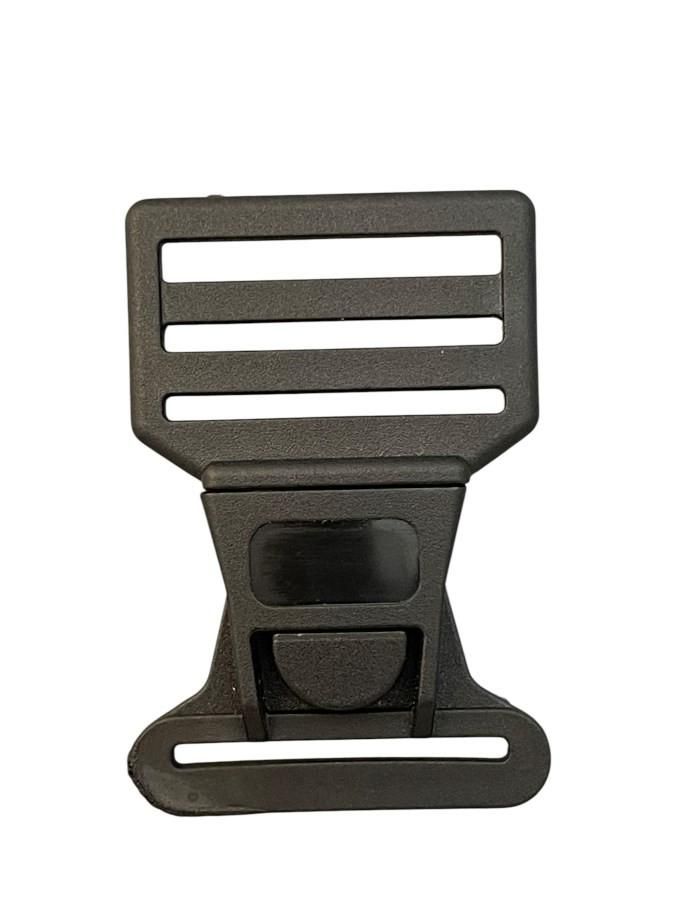
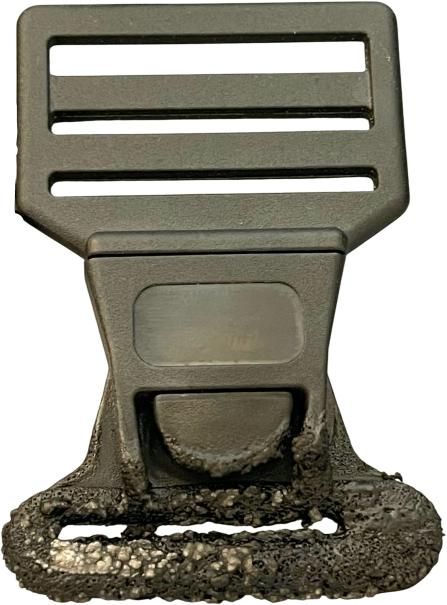
A suspender buckle made from a plastic with flame-retardant characteristics, meeting the requirements of the UL94 standard, class V-0, which is appropriate for plastic accessories.
For application in workwear that requires self-extinguishing plastic accessories that do not sustain combustion. From the material that meets the V-0 class requirements, we produce a very wide range of accessories such as adjusters, cord stoppers, cord ends, grommets, and other buckles.
D8 Fire Retardant Two-Way Separating Molded Zipper
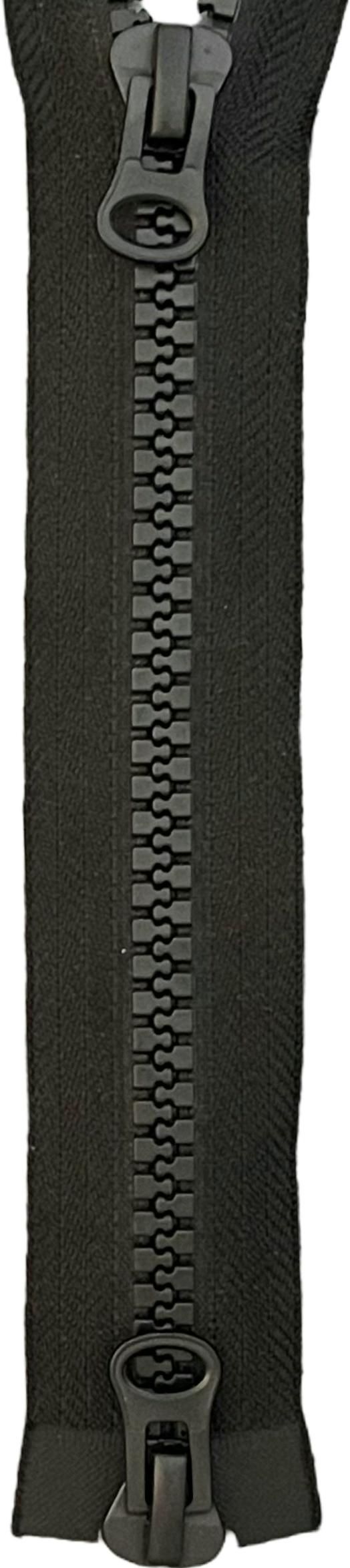
A size 8 molded zipper with teeth made of flame-retardant plastic on an aramid fiber tape. The zipper has a metal slider and puller, and is also available in a quick-release version that opens from the top by pulling the slider.
M3 / M5 / M8 Fire Retardant Treated
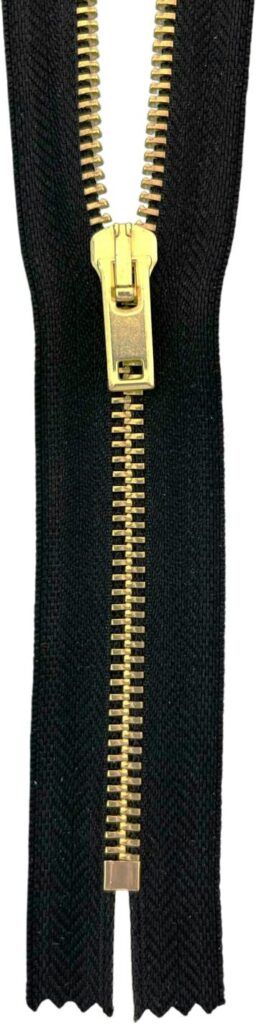
A flame-retardant metal zipper on a flame-retardant treated polyester or cotton tape, with a wash resistance of approximately 20 washes. Used in workwear that meets safety requirements ISO-EN14116 / NFPA 2112/2113.
M8 NOMEX Zipper for Firefighter Turnout Gear
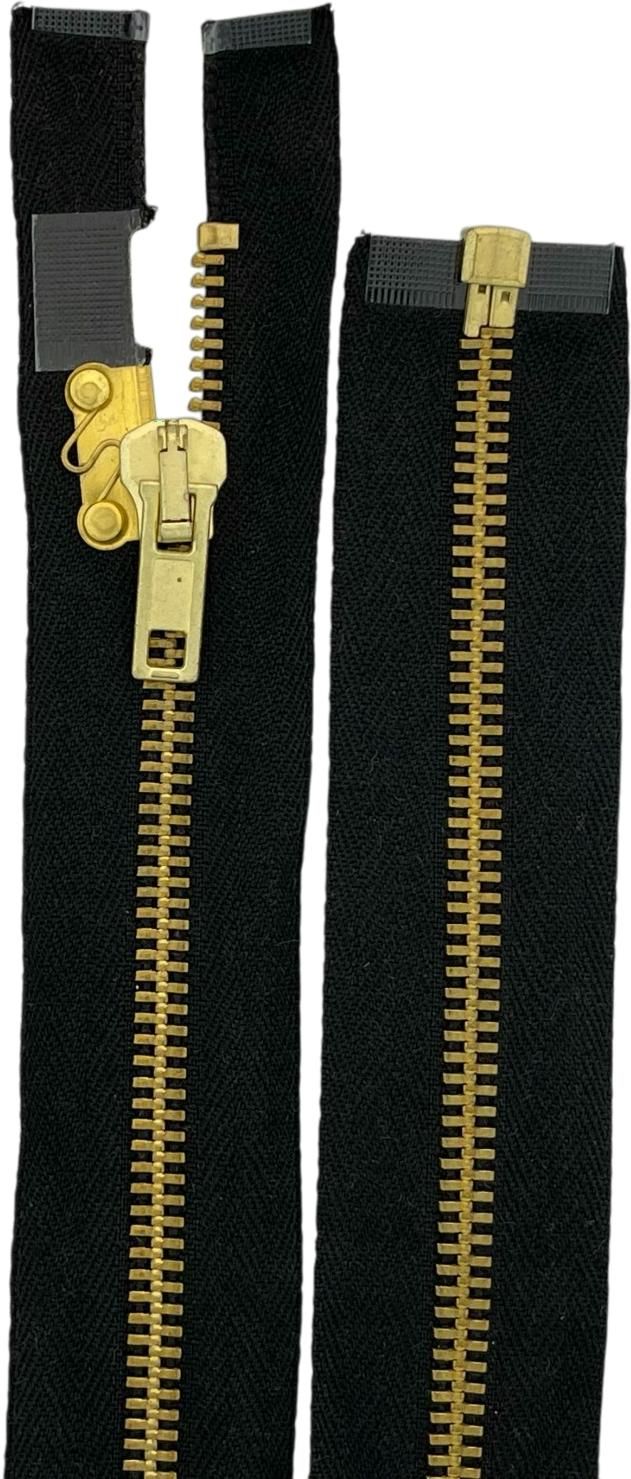
A standard zipper on a meta-aramid tape, used in firefighter turnout gear by fire departments around the world. It meets the requirements of the relevant standards ISO-EN469 / NFPA1975.
Frequently Asked Questions
Inquire about products
Select the products you are interested in and fill out the form below.