
Choosing the right zipper for bags and backpacks is crucial for their
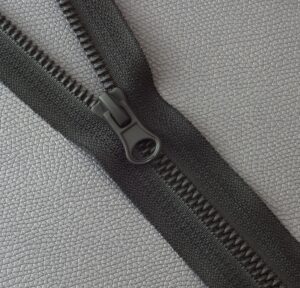
Choosing the right zipper for bags and backpacks is crucial for their functionality and durability, given their frequent use and potential loads.
Zippers for bags and backpacks must be resistant to dirt, sand, and water, move smoothly, and be durable enough for frequent use and heavy loads.
Perfect for the curved surfaces of backpacks due to their flexibility, self-healing capability, and light weight. They also have strong resistance to horizontal tearing.
Versatile, durable, and resistant to impact and corrosion. They work well in outdoor applications, such as tents and sleeping bags.
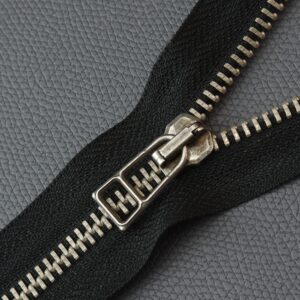
Known for their strength and durability, these are ideal for applications requiring a high level of security and resilience. They offer a high-end, classic finish.
Larger zippers: For heavy loads, while smaller ones are for lighter items. This helps reduce weight and makes them easier to use.
Sliders with double pulls: Allow a backpack to be opened and closed from either side, which is more convenient.
Locking zippers: Keep the contents secure, which is key when traveling.
Water-resistant coatings: Add a protective barrier against moisture, preventing equipment from getting damaged by water.
The construction of the coil itself and how it’s attached to the tape have a decisive impact on a zipper’s functionality and lifespan in bags and backpacks.
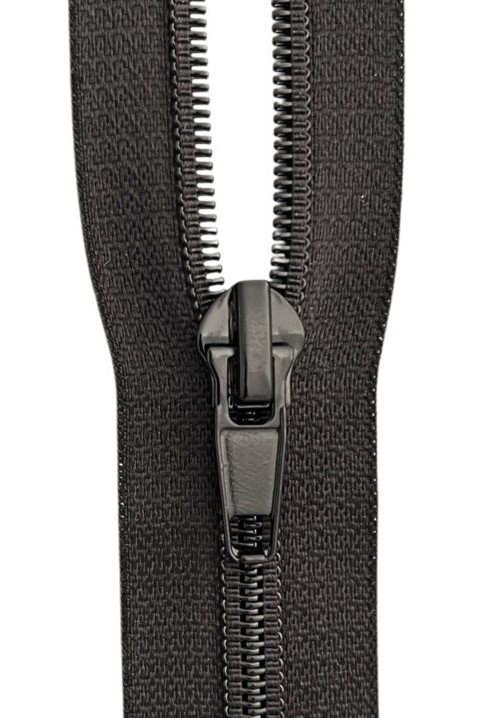
In this innovative construction, the zipper elements are woven directly into the tape. This eliminates the weak points associated with sewing, making the zipper significantly more resistant to tearing, abrasion, and tooth separation. This ensures higher durability and reliability.
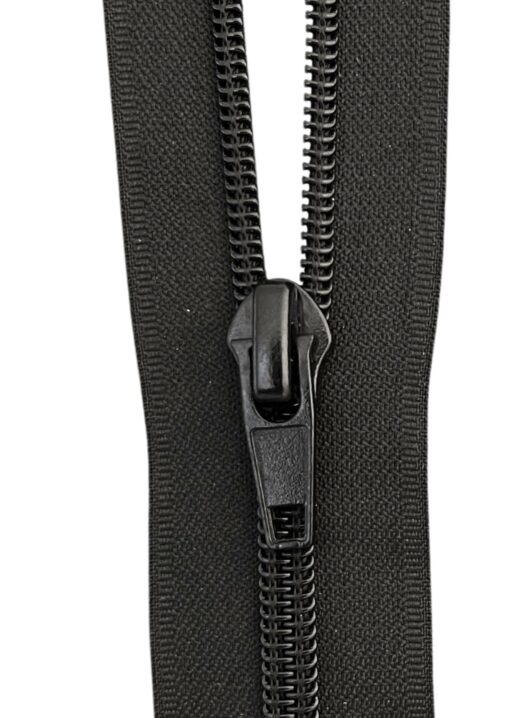
In this construction, the teeth are sewn onto the tape with polyester thread. This is a typical “standard sewn coil.” These threads can be a weak point, especially due to UV degradation or intensive use, which leads to the risk of the coil separating from the tape.
Higher Durability and Lifespan: The integrated, woven construction eliminates the weak points of sewn threads, making the zipper significantly more resistant to tearing, abrasion, and teeth separating from the tape. This is crucial for heavily used bags and backpacks.
Increased Reliability: The woven structure provides a more solid and stable chain, reducing the likelihood of teeth damage. This is extremely important for tactical or heavy-duty backpacks.
Environmental Resistance: The woven design is inherently more robust against environmental factors.
Maintained Smooth Operation: A more stable tape and integrated teeth ensure the slider runs more smoothly for a longer period, even under load.
For bags and backpacks, especially those intended for outdoor or heavy-duty use that are subjected to significant stress, frequent handling, and exposure to various elements, a zipper that fails can render the entire item useless. Therefore, a design that minimizes failure points and maximizes integral strength, such as the woven “S-tape” construction, offers a clear functional advantage over a traditional sewn coil zipper. This innovation directly addresses the critical need for zippers that can withstand tough conditions and intensive use, extending a product’s lifespan and increasing user confidence.
Choosing the right zipper is key to the success of any project—from clothing and bags to furniture upholstery.
At TAF, we understand the importance of quality, durability, and a precise fit. As an experienced zipper distributor, we offer a wide range of metal, plastic, and nylon zippers, available in various sizes and colors.
© All rights reserved. Copying, processing, and distribution of materials without the author’s consent is prohibited.
Choosing the right zipper for bags and backpacks is crucial for their
In the furniture industry, zippers play a key role in the functionality
We at Trims and fasteners understand that buying zippers wholesale requires a
EMKA Marta Kubicka
ul. Grzybowska 87
00-844 Warszawa
NIP: 118-171-51-85
REGON: 147429516


© 2025 – Trims and fasteners – Distributor of zippers and clothing accessories – All rights reserved
Privacy policy
© All rights reserved. Copying, processing, and distribution of materials without the author’s consent is prohibited.