
Choosing the right zipper for bags and backpacks is crucial for their
The zipper’s mechanism is a relatively simple concept, yet it’s a complex component because its performance depends on the material it’s made from. The three main types of zippers—metal, plastic (molded), and nylon (coil)—differ in their construction, performance, and application.
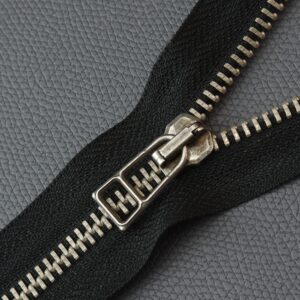
Metal zippers feature polished teeth made from metal like brass, nickel, or aluminum, which are clamped onto the zipper tape. They are the oldest type of zipper. Their primary advantage is exceptional durability and longevity, making them ideal for applications that require high resistance to stress and intensive washing. If a single tooth is damaged, metal zippers can often be repaired. Additionally, they offer a classic, high-end look that can serve as a decorative element.
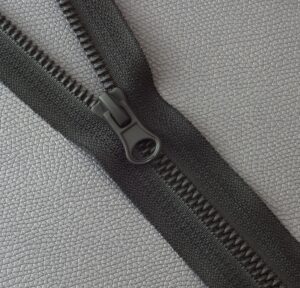
Plastic zippers, also known as molded zippers, are characterized by teeth that are injection-molded directly onto the zipper tape. These teeth are typically larger and more prominent, and the molding process ensures high precision and consistency. The materials used to mold the teeth are most often POM—polyacetal resin—which is used in YKK’s Vislon zippers, giving them strength and durability. A key advantage of plastic zippers is their robustness and practical resistance to weather conditions. They are highly resistant to saltwater, chemicals, extreme temperatures, and UV radiation (with special tape and teeth), making them a popular choice for outdoor and marine applications.
Nylon zippers, often called coil zippers, feature coil-shaped teeth made from nylon or polyester filament, which are sewn onto the side tape with polyester thread. This construction makes them exceptionally flexible and lightweight. The advantages of nylon zippers include their flexibility, which makes them an excellent choice for projects with curves. They also have a “self-healing” ability—if a tooth is skipped, you can often correct the problem by simply moving the slider back and forth. They show strong horizontal tear resistance, which is beneficial for luggage prone to overstuffing. They are also inherently more wind- and water-resistant than molded zippers, and with a PU coating, they become highly waterproof. Their teeth are more subtle, which may be preferred in certain applications.
Choosing the right material is a key decision that affects a product’s durability, appearance, and functionality. Click the button to learn the characteristics of each zipper type and see how they compare to one another.
Made with polished metal teeth (brass, nickel, aluminum). They are synonymous with exceptional strength and durability. They offer a classic, elegant look, often serving as a decorative element.
Pros and Cons:
Pro: Highest durability, ability to repair individual teeth.
Pro: High-class appearance.
Con: Heavy, not very flexible, susceptible to corrosion.
Typical Applications:
Jeans, workwear, footwear, heavy luggage, upholstery.
The teeth, made of plastic (e.g., Acetal), are injection-molded directly onto the tape. They are characterized by high durability and resistance to weather conditions, including saltwater and UV radiation.
Pros and Cons:
Pro: Resistant to corrosion and chemicals, lightweight.
Pro: Available in a wide range of vibrant colors.
Con: Stiffer than nylon zippers; a damaged tooth requires replacing the entire zipper.
Typical Applications:
Outdoor gear, sportswear, jackets, backpacks.
The teeth are a continuous nylon coil sewn onto the tape. They are exceptionally flexible and lightweight, making them an ideal choice for projects with curves.
Pros and Cons:
Pro: Very flexible, lightweight, “self-healing” function.
Pro: High resistance to horizontal tearing.
Con: The sewing thread can degrade from UV exposure, susceptible to contamination.
Typical Applications:
Lightweight apparel, handbags, luggage, tents, knitwear.
Despite their advantages, metal zippers have certain limitations. They are prone to corrosion, especially in marine or humid environments, which is why they aren’t recommended for outdoor projects. They are also significantly heavier than their plastic counterparts, a factor to consider in apparel projects to avoid weighing down light fabrics. Their rigidity makes them less flexible and can cause them to “seize up” or operate less smoothly than coil zippers. Shortening metal zippers requires specialized tools to remove the teeth. Typical applications include jeans, workwear, heavy luggage, leather apparel, footwear, and inner cushions and upholstery.
The main drawback is that a damaged tooth usually means the entire zipper needs to be replaced. They are also stiffer than coil zippers, which makes them better suited for straight applications. They are commonly used in outdoor gear, sportswear, luggage, heavy-duty items, jackets, backpacks, and coolers and lunch boxes.
A disadvantage of nylon zippers is that the polyester threads used to sew the teeth can degrade from UV exposure, which requires covering the zipper in outdoor projects. Furthermore, their coil design is more prone to collecting dust and debris, which can lead to premature wear without proper cleaning and lubrication. They are used in both internal and external projects with curves, knit jackets, skirts, pants, handbags, luggage, tents, parachutes, everyday apparel, and lightweight items.
Choosing the right zipper is key to the success of any project—from clothing and bags to furniture upholstery.
At TAF, we understand the importance of quality, durability, and a precise fit. As an experienced zipper distributor, we offer a wide range of metal, plastic, and nylon zippers, available in various sizes and colors.
© All rights reserved. Copying, processing, and distribution of materials without the author’s consent is prohibited.
Choosing the right zipper for bags and backpacks is crucial for their
In the furniture industry, zippers play a key role in the functionality
We at Trims and fasteners understand that buying zippers wholesale requires a
EMKA Marta Kubicka
ul. Grzybowska 87
00-844 Warszawa
NIP: 118-171-51-85
REGON: 147429516


© 2025 – Trims and fasteners – Distributor of zippers and clothing accessories – All rights reserved
Privacy policy
© All rights reserved. Copying, processing, and distribution of materials without the author’s consent is prohibited.